Softpak & Secure Logistics: one integrated process for access and cargo
19 May 2026
Laura De haes
Communications Softpak
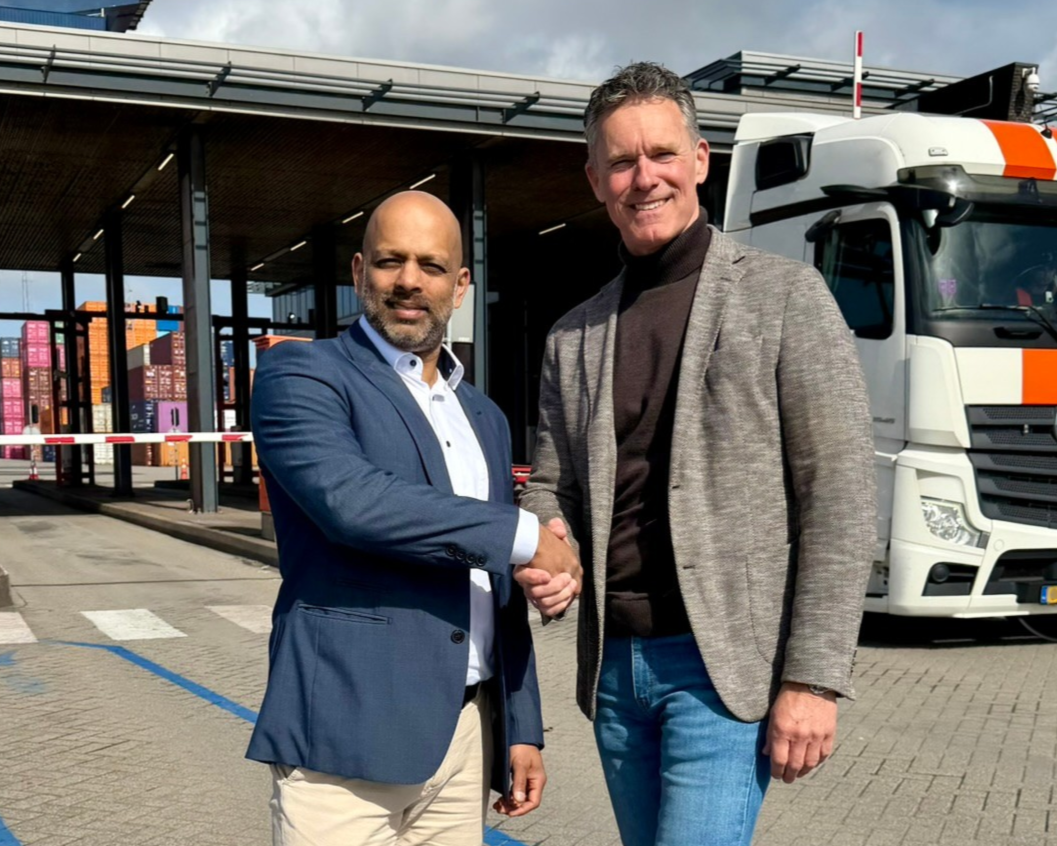
For over 25 years, Softpak and Secure Logistics have been working together on secure access to terminals and warehouses. From biometric identity verification and real-time certificate checks to smart integrations with terminal and warehouse management systems. What seems self-evident on the shop floor is the result of a collaboration that has continuously evolved. Aniel Badri, Managing Director of Softpak, and Frank de Krou, Head of Commercial Affairs at Secure Logistics, explain how that collaboration makes a difference behind the scenes in daily operations.
Two specialisms that reinforce each other. When everything runs smoothly, you barely notice it: drivers enter the site and cargo gets collected. Behind this seamless flow lies a tightly organised system. “We focus on everything that happens inside the terminal and warehouses,” says Aniel Badri. “But we don’t want to deal with all the administrative and safety aspects of the driver. That’s why we work with Secure Logistics. That’s exactly where they excel.”
Frank de Krou acknowledges that mutual reinforcement. “That interaction starts right at the driver’s check-in. The moment someone arrives at the gate, our systems exchange information in real time. This means we immediately know that identity, validity and authorisations are correct. After approval, the logistics process continues. It has become so self-evident that no one thinks about it anymore.”
GATE CONTROL
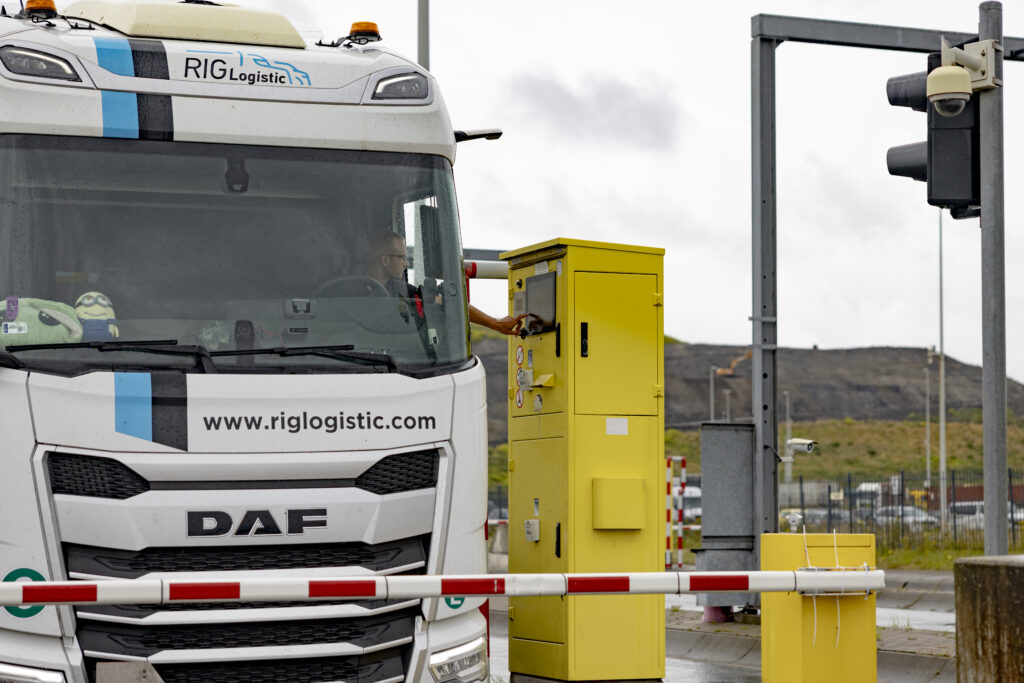
With the CargoCard, drivers gain access to the site, optionally via fingerprint or facial verification. Identity is confirmed and validity is checked in real time, including certificates such as VCA (Safety, Health and Environment Checklist for Contractors). “We started with the CargoCard specifically for drivers,” says De Krou. “That was the foundation. By now the system has become much broader, including checks on gate instructions, ADR certificates, driving licences and access via QR codes.”
Due to varying requirements from laws and regulations and the different roles on site, additional solutions have been developed. The PortKey is used for customs officers, inspectors and mooring staff, while technicians and external parties work with the Digital Safety Passport. This way, each target group gains access based on role and authorisations, without causing delays in operations.
ONE INTEGRATED PROCESS
The integration with ProTerm, Softpak’s terminal operating system, ensures that access management and terminal logistics form a single whole. A driver who checks in is immediately linked to the correct reference number and the associated cargo. Anyone who has not pre-registered simply cannot enter. For warehouses, the link with ProStore opens up new possibilities.
“Think of a valuable shipment that needs to be collected,” says Badri. “The cargo owner wants to know exactly who is transporting their goods. By carrying out identity checks at the front end, you create a reliable and transparent logistics process.” Identity checks at the front end are now also possible for occasional and changing drivers. De Krou explains: “With the OneTime XS solution, drivers who visit a warehouse once or occasionally can also gain controlled access, without a subscription. Verification takes place via a QR code that is only valid for 60 seconds, linked to a prior identity check.”
De Krou adds: “In Antwerp and Flushing we see that cargo theft is a growing problem. At the same time, this is increasingly shifting to the hinterland and smaller ports. If you make it harder for people who have no business being there to collect cargo, you make the entire chain safer. That is exactly what this approach does.”
FROM MANUAL TO DIGITAL
The close collaboration between Secure Logistics and Softpak creates one integrated ecosystem. In practice, the transition often does not have to be complicated. Secure Logistics maps out the customer’s situation through targeted questions about arrival, route planning and documentation, and feeds this back to Softpak.
“The integrations are already there, the interfaces are already there,” says Badri. “The only adjustments involve the required equipment on site. Beyond that, it is pure implementation, not a development project.” De Krou: “Customers often have no idea how quickly it can be done. That is always a pleasant surprise.”
SHORT LINES, LONG COLLABORATION
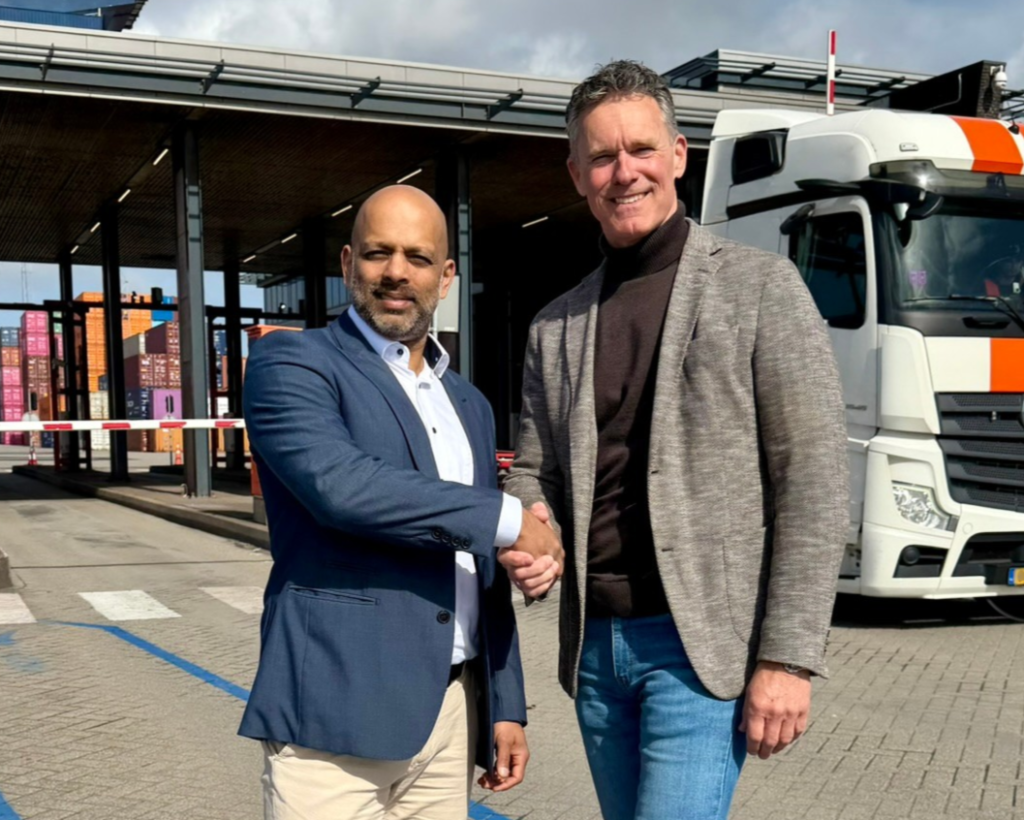
Badri is clear about what keeps the collaboration strong after all these years. “We move fast and know how to find each other. The lines are short and when something new comes up, we tackle it together straight away.”
Softpak and Secure Logistics are now active at various terminals and warehouses in the Netherlands and Belgium. Two companies that have been working together for more than twenty-five years and are far from finished. De Krou concludes: “Together we have already taken great strides in efficiency and safety, but we are not there yet. That is precisely why we keep developing continuously, so that we can continue to provide optimal support in addressing these challenges.”
The latest news
Softpak | DMS Latest Update for Saturday, May 16, 2026
DMS Latest Update for Saturday, May 16, 2026 We would like to inform you about upcoming system...
Softpak | NCTS Fase 6 to be implemented on May 16 2026
Dear customer, On May 16, 2026, Customs will implement Phase 6 of the New Computerised Transit...
Softpak informs: Is your digital front door properly secured?
Dear customer, In a world where the logistics chain is becoming increasingly dependent on...
